The Expanded Collection – A New Hang for 2026
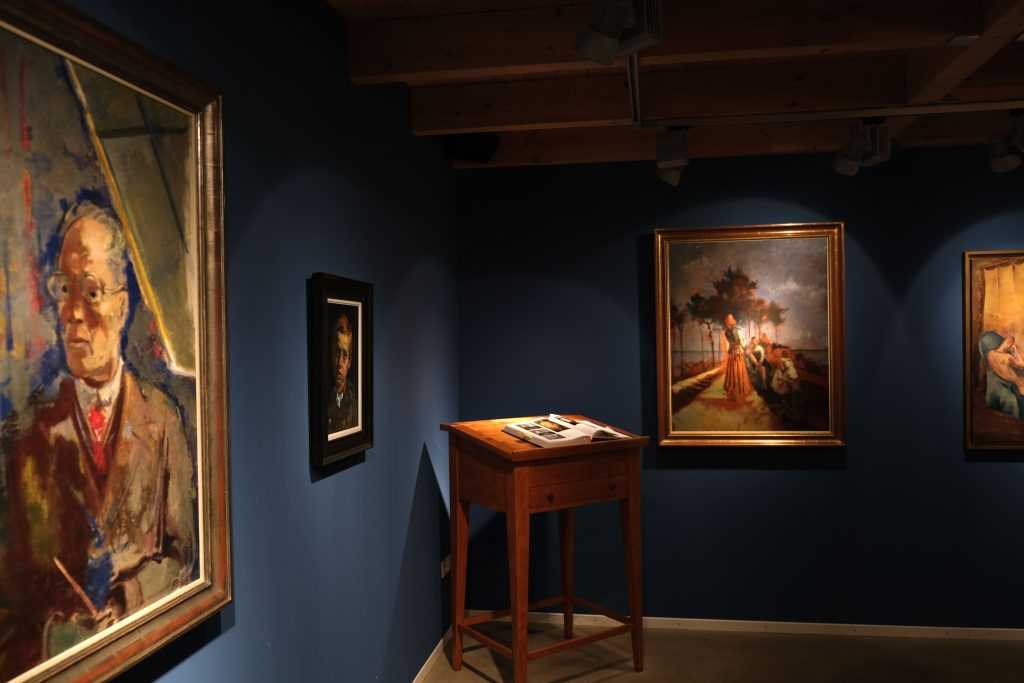
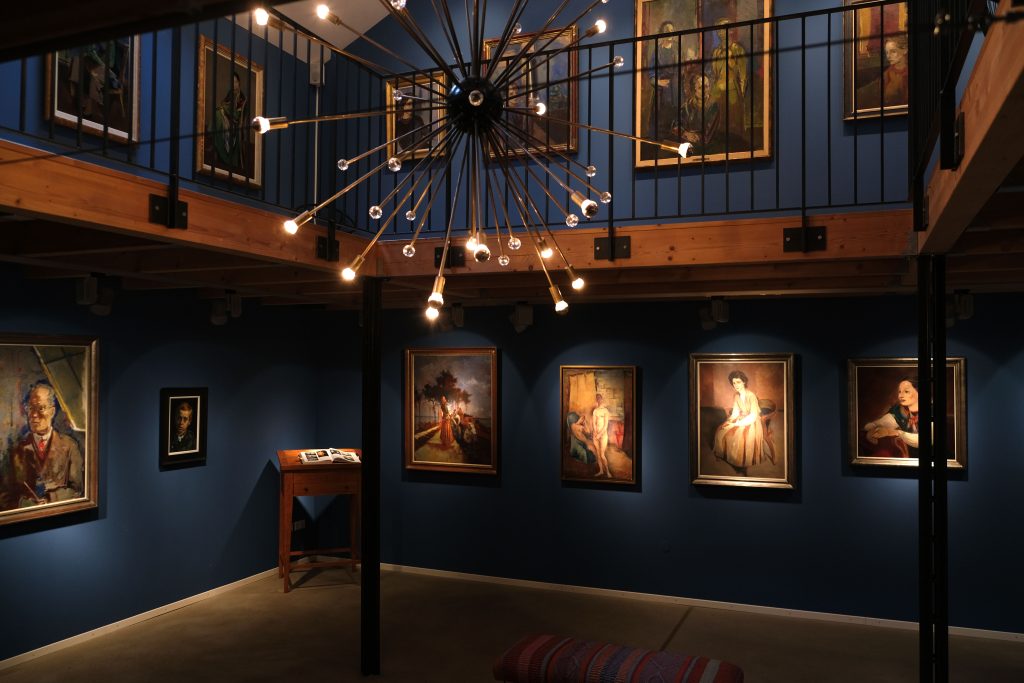
Following the 2024 exhibition, which also provided the setting for our private expert viewing devoted to the collection, the YSC presentation has been newly conceived for 2026. Recent acquisitions by collector Ysabel Sureth offered an opportunity to bring the works into new dialogues.
Visits to the collection can be arranged by appointment. Please use our contact form to enquire about a guided tour.
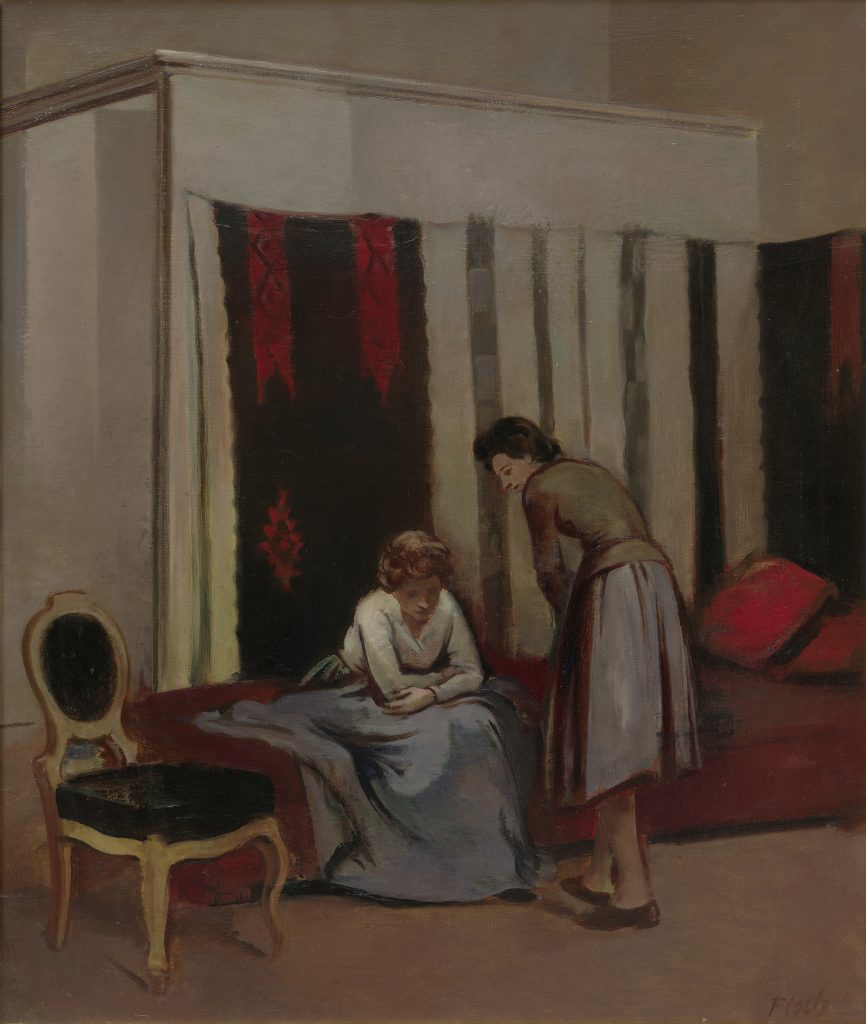
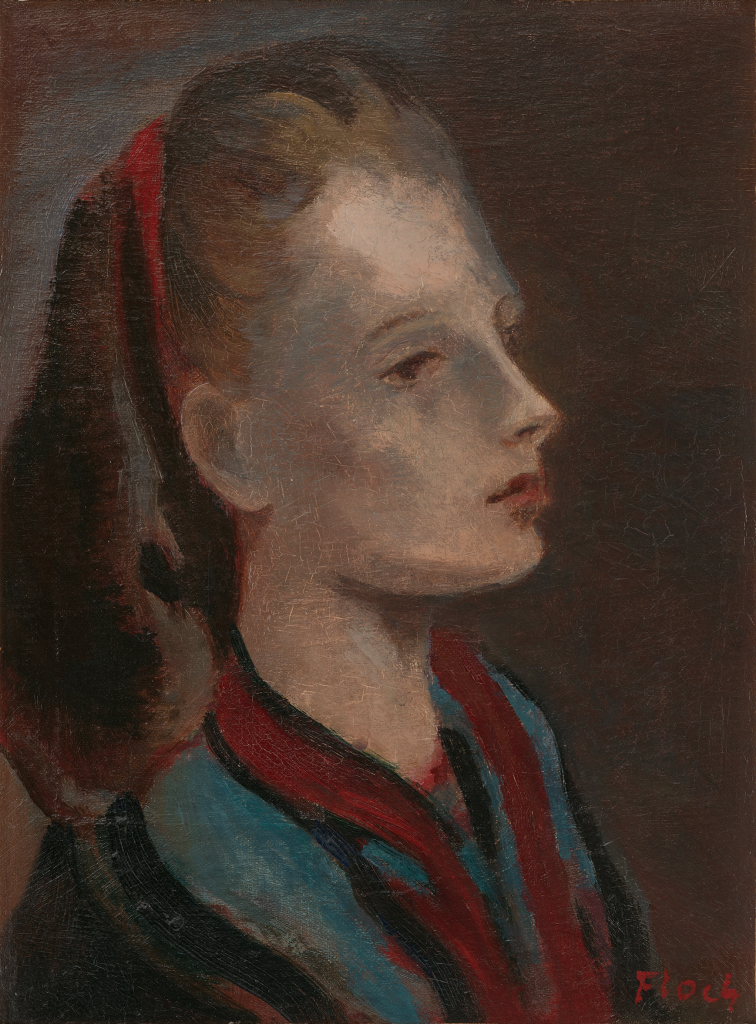
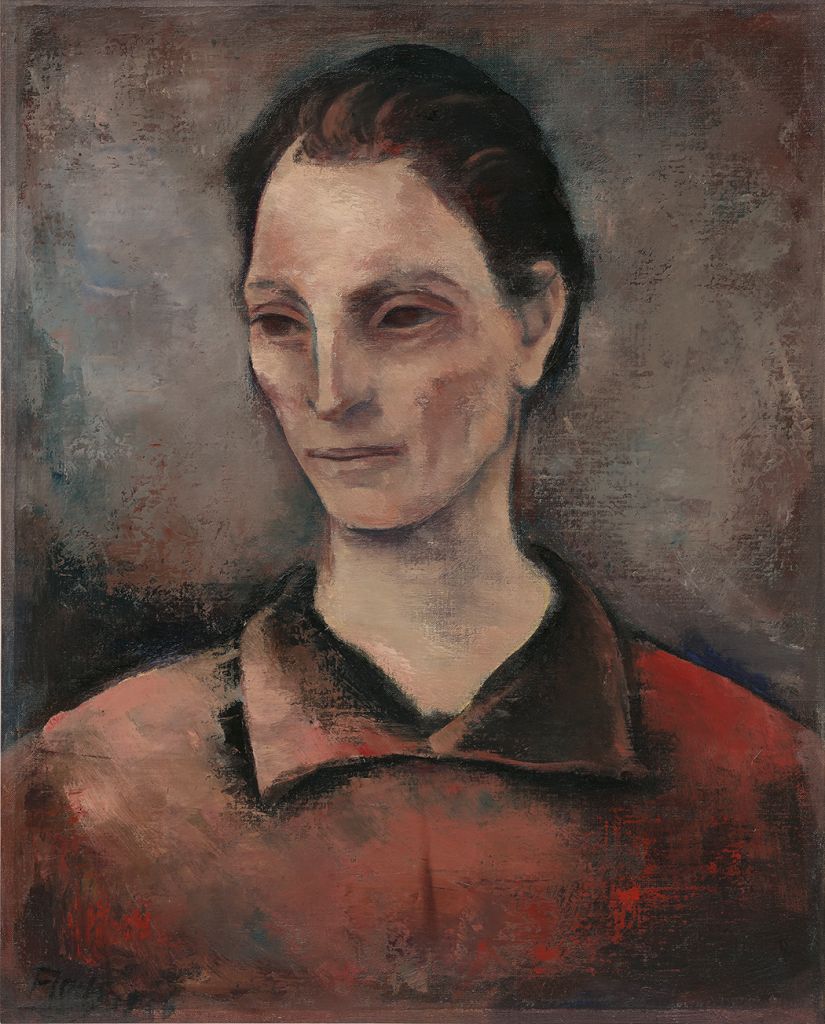
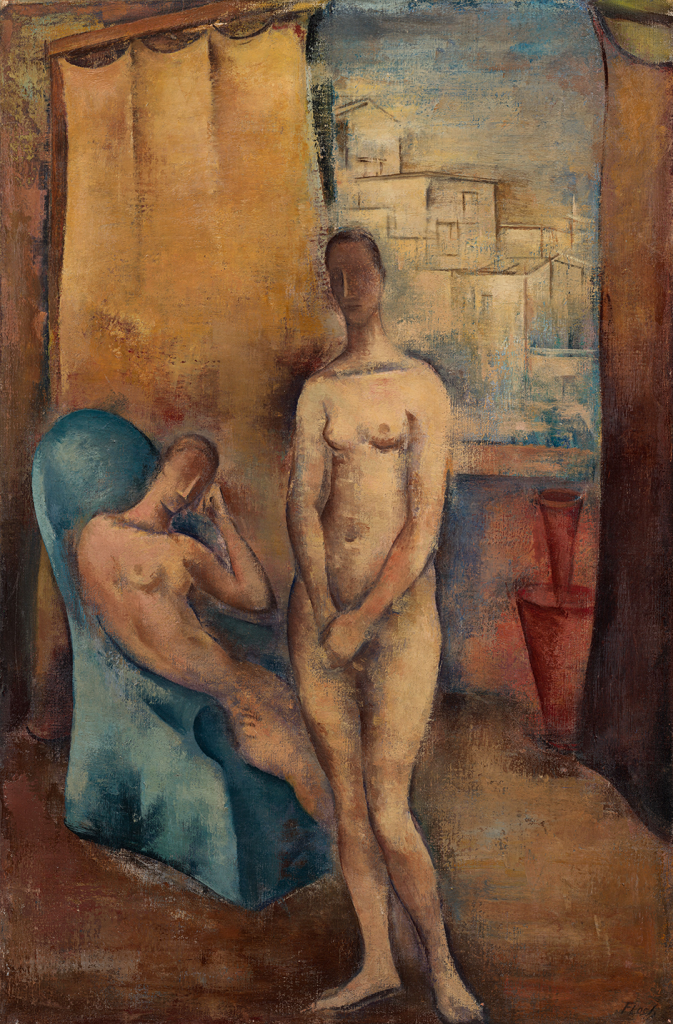
Three paintings acquired in 2025 further strengthen the collection’s particular focus on representations of women within the oeuvre of Josef Floch: Wartende Akte vor einem Vorhang (Waiting Nudes before a Curtain, 1928), Zwei Frauen im Gespräch (Two Women in Conversation, c. 1946) and Collette (1943).
Together, they extend both the scope and chronology of the collection. Waiting Nudes before a Curtain (1928; Pallauf cat. no. 185) is a key work from Floch’s early Paris period, when individual character studies increasingly gave way to a more formally rigorous conception of the figure, structured through its relationship to space. Collette (1943; Pallauf cat. no. 336) belongs to his early New York period, while Two Women in Conversation (c. 1946; Pallauf cat. no. 319) develops further his enduring interest in human encounter.
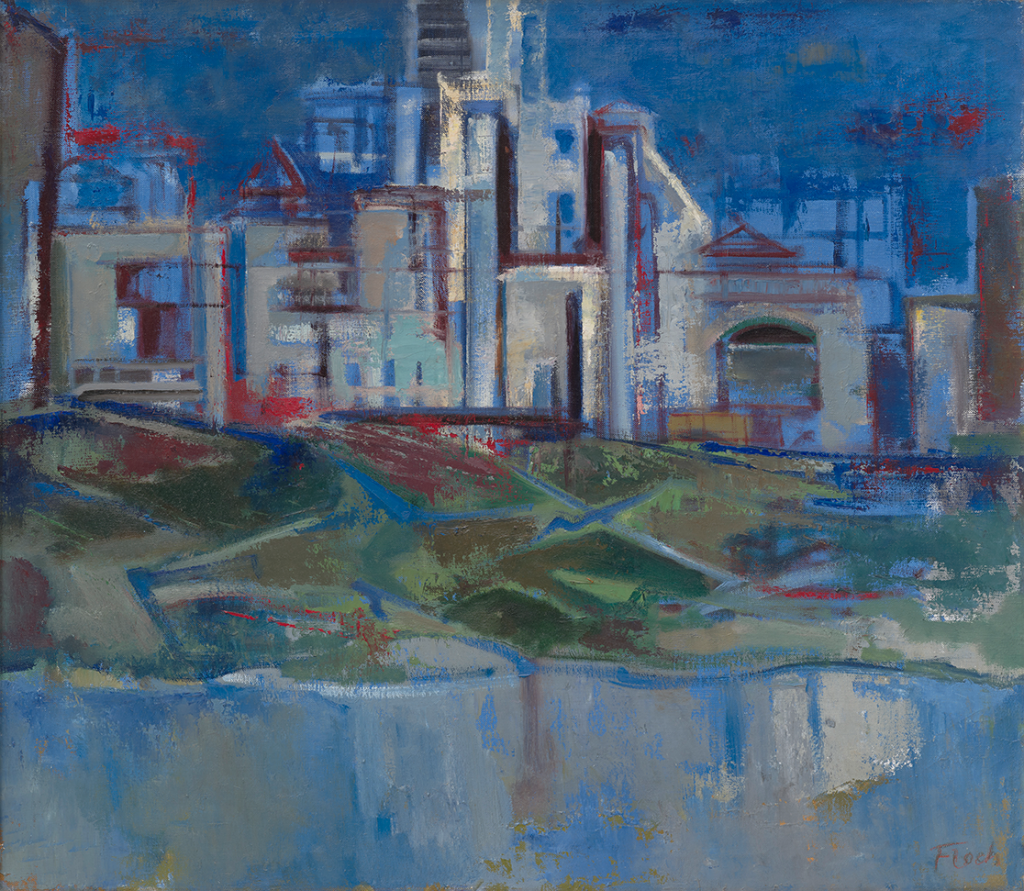
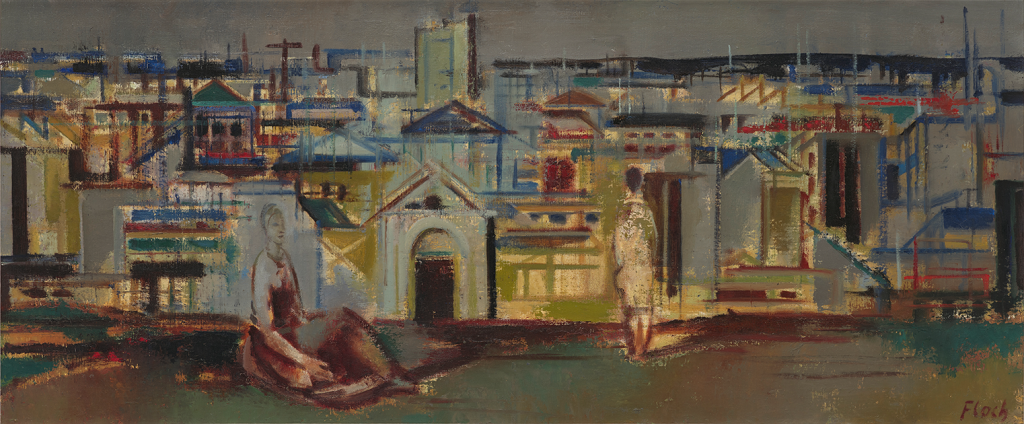
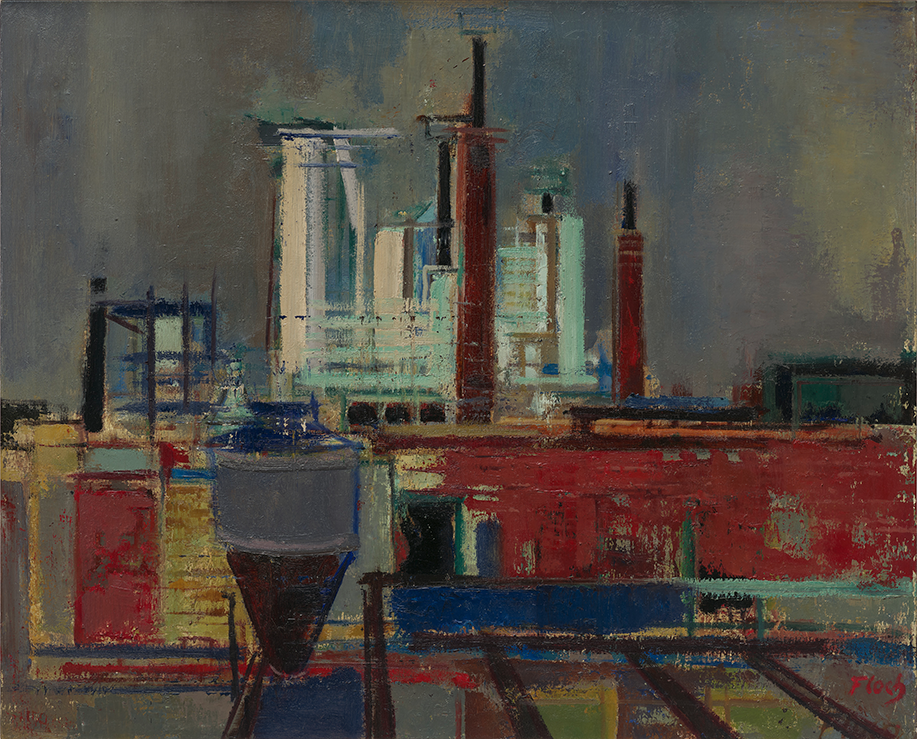
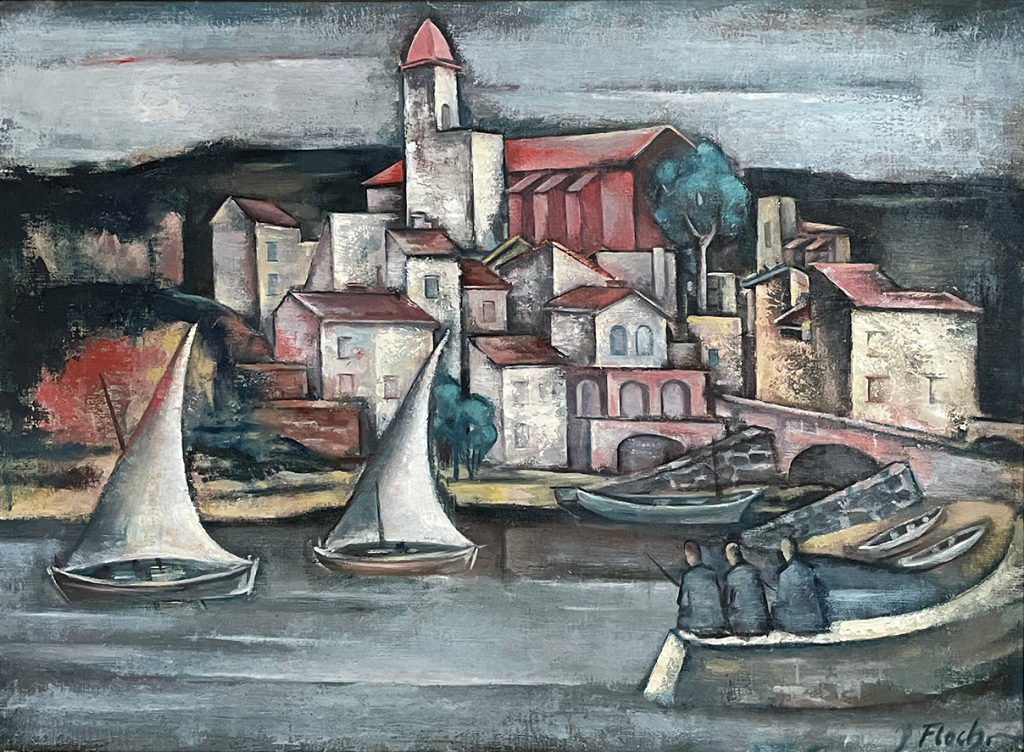
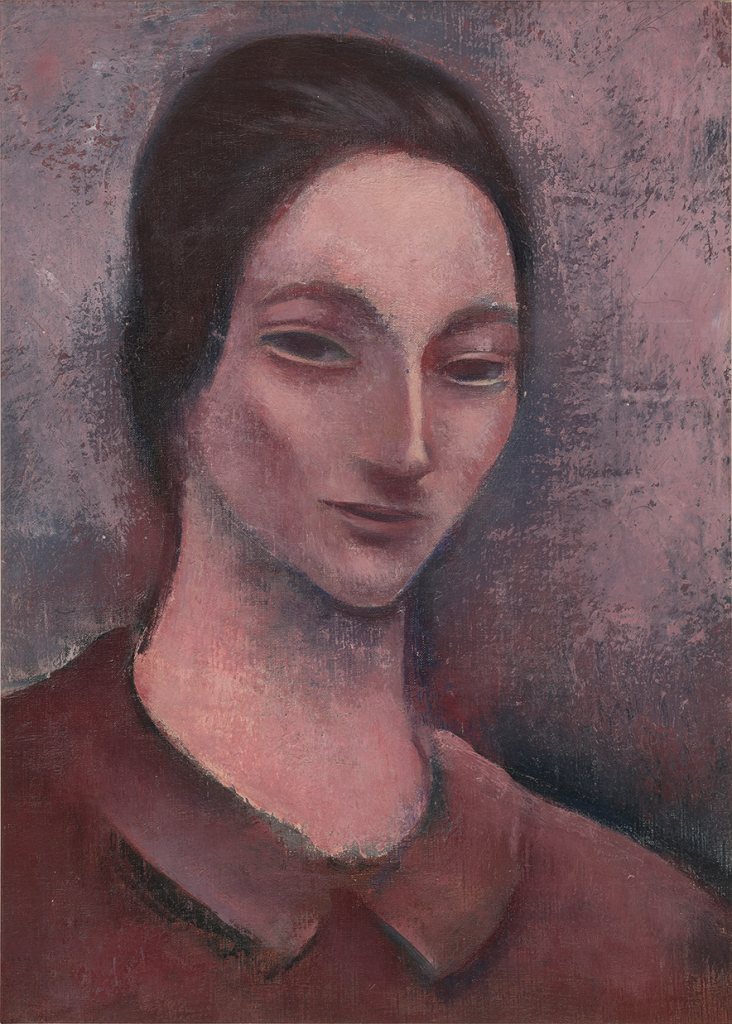
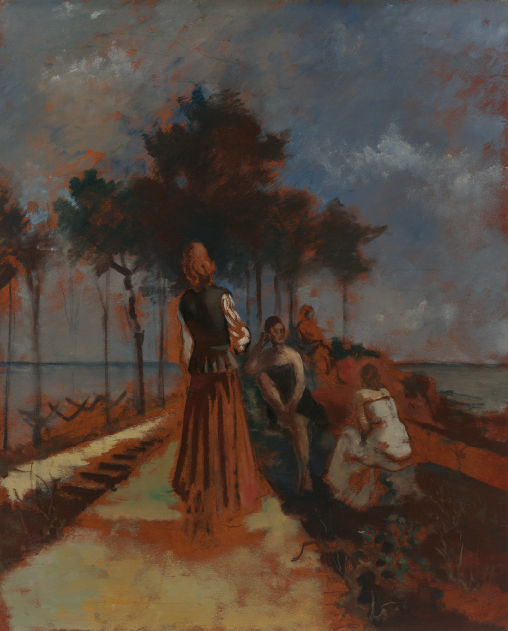
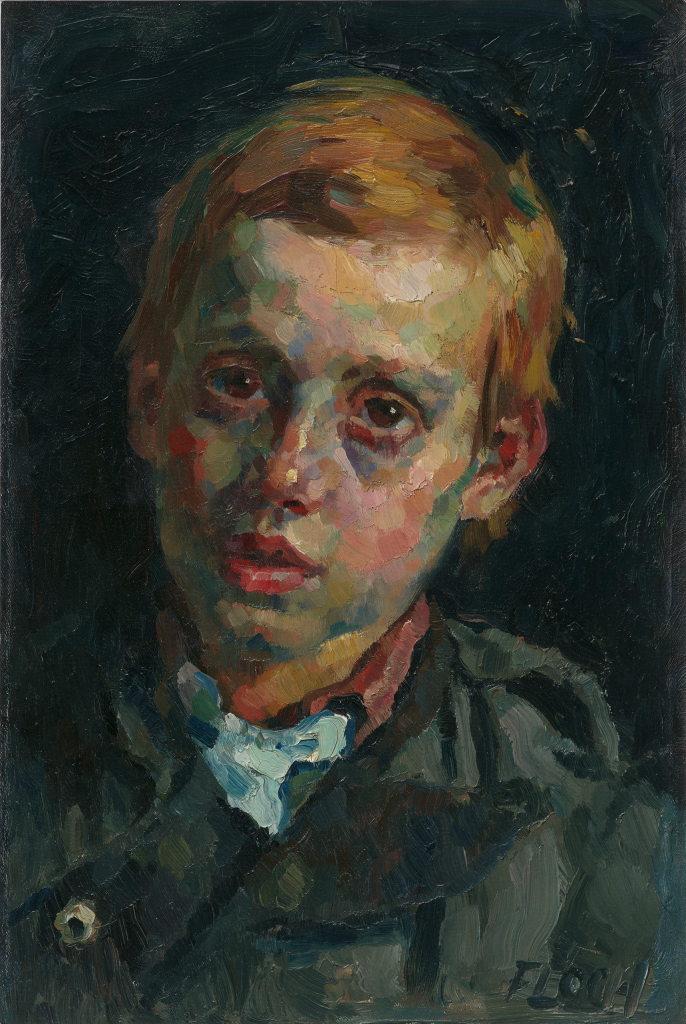
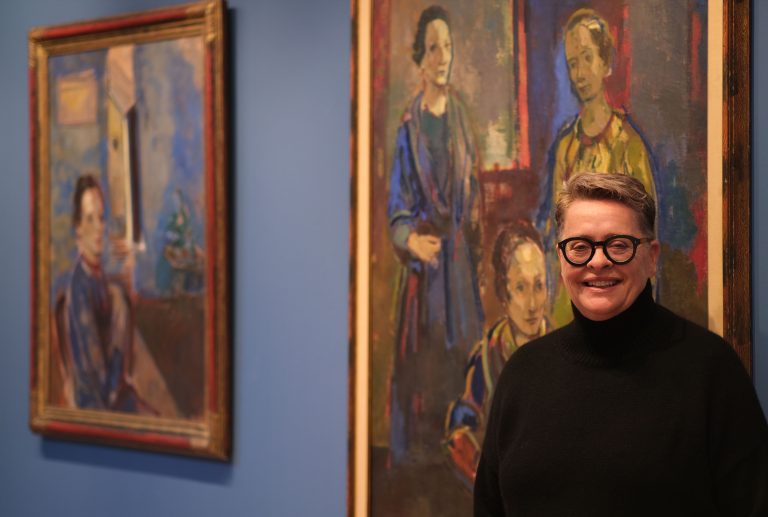
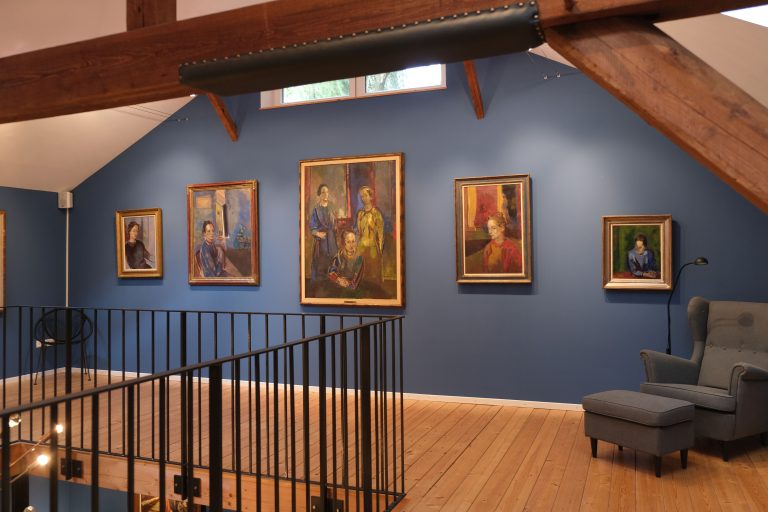
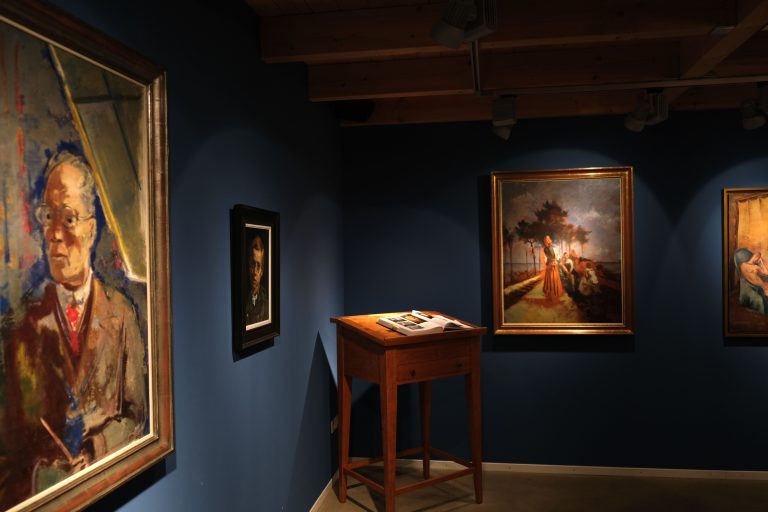
In this year’s hang, these remarkable works enter into direct dialogue with the collection’s existing individual portraits, paired figures and figure groups. This is particularly evident in the large-scale Composition II, inscribed Three Sisters on the reverse (1951; Pallauf cat. no. 479). Across different periods of Floch’s life and work, the paintings reveal how he articulated proximity and distance between women through posture, gaze, colour and the spatial organisation of the picture plane. Displayed against walls in a blue closely associated with Floch’s palette, the works continue to establish connections with his landscapes and cityscapes. Rooftops, New York (1952) and East River, New York (1968) show how his treatment of architecture and pictorial space also evolved.
Rather than presenting the oeuvre chronologically, the current collection exhibition brings motifs, formal developments and Floch’s recurring exploration of the human figure into renewed dialogue across time and place – between Vienna, Paris and New York.
Photos: Geeske Janßen


The Expanded Collection – A New Hang for 2026
Following the 2024 exhibition, which also provided the setting for our private expert viewing devoted to the collection, the YSC presentation has been newly conceived for 2026. Recent acquisitions by collector Ysabel Sureth offered an opportunity to bring the works into new dialogues.
Visits to the collection can be arranged by appointment. Please use our contact form to enquire about a guided tour.
Three paintings acquired in 2025 further strengthen the collection’s particular focus on representations of women within the oeuvre of Josef Floch: Wartende Akte vor einem Vorhang (Waiting Nudes before a Curtain, 1928), Zwei Frauen im Gespräch (Two Women in Conversation, c. 1946) and Collette (1943).
Together, they extend both the scope and chronology of the collection. Waiting Nudes before a Curtain (1928; Pallauf cat. no. 185) is a key work from Floch’s early Paris period, when individual character studies increasingly gave way to a more formally rigorous conception of the figure, structured through its relationship to space. Collette (1943; Pallauf cat. no. 336) belongs to his early New York period, while Two Women in Conversation (c. 1946; Pallauf cat. no. 319) develops further his enduring interest in human encounter.
In this year’s hang, these remarkable works enter into direct dialogue with the collection’s existing individual portraits, paired figures and figure groups. This is particularly evident in the large-scale Composition II, inscribed Three Sisters on the reverse (1951; Pallauf cat. no. 479). Across different periods of Floch’s life and work, the paintings reveal how he articulated proximity and distance between women through posture, gaze, colour and the spatial organisation of the picture plane. Displayed against walls in a blue closely associated with Floch’s palette, the works continue to establish connections with his landscapes and cityscapes. Rooftops, New York (1952) and East River, New York (1968) show how his treatment of architecture and pictorial space also evolved.
Rather than presenting the oeuvre chronologically, the current collection exhibition brings motifs, formal developments and Floch’s recurring exploration of the human figure into renewed dialogue across time and place – between Vienna, Paris and New York.
Photos: Geeske Janßen